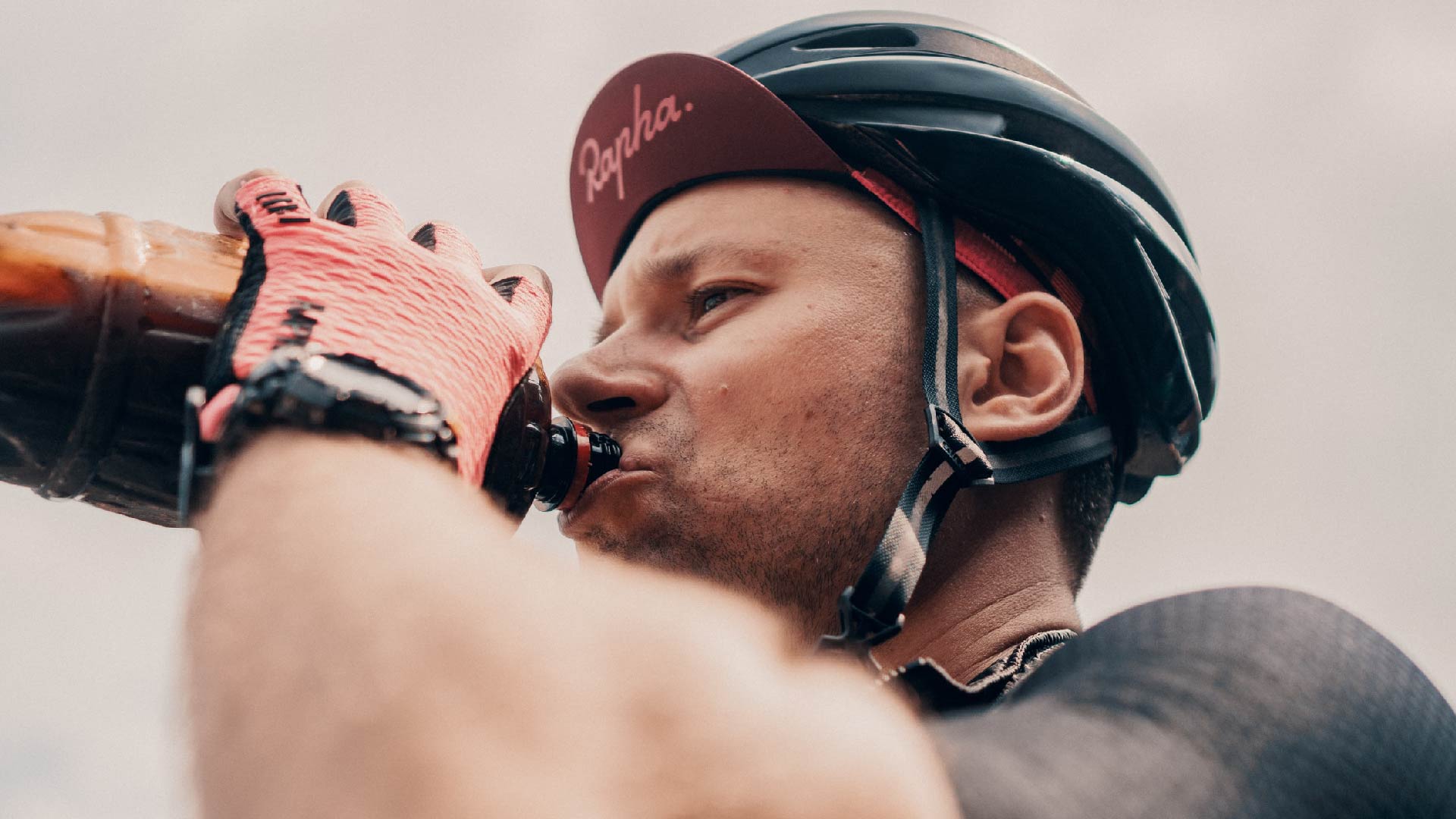
A study has found that caffeine improves the performance of cyclists by improving power output and cardiovascular functioning. In a 16 km cycling trial, participants who took caffeine completed their run ∼40 seconds faster than participants who took a placebo.
Caffeine is widely used by athletes as a performance-enhancing supplement. Usually, it is ingested approximately 60 minutes before engaging in physical activity to increase endurance and strength, and reduce perceived exertion. However, there is quite a bit of disagreement between experts on what caffeine regimen is optimal.
Some experts think that when caffeine is taken on a daily-basis, athletes develop tolerance, and that this blunts its performance-boosting effects during crucial events like a competition. They recommend keeping off caffeine during training to build up sensitivity in the run-up to an event. This, some studies suggest might make the effect of caffeine more potent on the day of the competition.


Other experts think that tolerance is a myth, and that abstaining from caffeine altogether can have unforeseeable consequences for athletes. They recommend a moderate dose of caffeine during training, and a bigger dose on competition day. This is done to prevent any adverse effects of withdrawal during training.
Comparing Regimens
The new study compared the effectiveness of two caffeine regimens against a placebo. The participants (who were recreationally-trained cyclists) were divided into three groups. They took :
- caffeine both during training and on the day of the event (group CC),
- placebo during training, and caffeine on the day of the event (group PC), or
- Placebo both during training and on the day of the event (group PP).
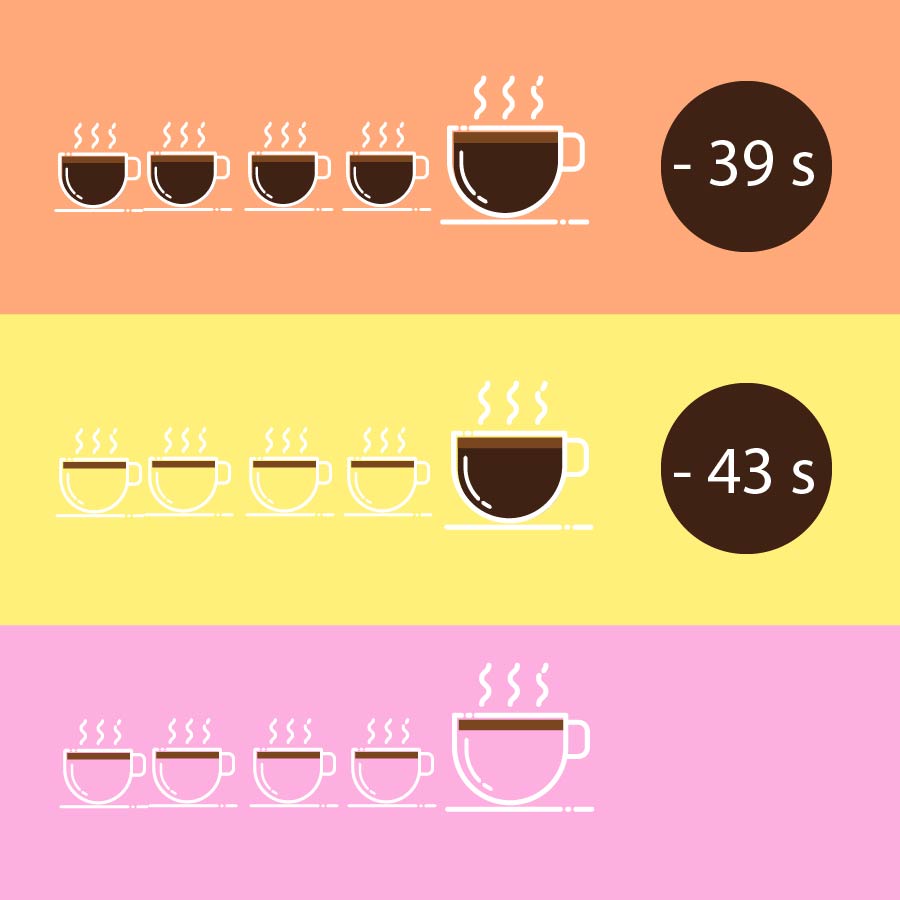
Participants who took caffeine both on the trial day, and for four days prior to the trial were faster by 39.3 seconds on average, compared to participants who took the placebo. Participants who took caffeine on trial day, but took the placebo during days prior to the trial were faster by 43.4 seconds.
Findings suggest that both supplementation strategies are superior to the placebo. There is some evidence for caffeine tolerance – PC group did slightly better than CC group on average, but the difference is not significant. This suggests that caffeine’s effects are potent even if athletes have been taking it in the days leading up to a competition.
Power Output
“The excitatory and alerting effects caused by caffeine may explain the increased locomotor activity seen at the beginning of the test “
Findings also suggest that caffeine leads to better power output during physical exercise. While participants on placebo exhibited a progressive build up of power during the trial, participants who took caffeine experienced a spike in power right from the start. Researchers attribute this power spike to the “excitatory and alerting effects” of caffeine.
“Caffeine indirectly affects the release of (the neurotransmitters) norepinephrine, dopamine, acetylcholine, serotonin, glutamate, gamma-aminobutyric acid (GABA), and perhaps neuropeptides”.
Institute of Medicine (US) Committee on Military Nutrition Research.
Caffeine is thought to improve cardiovascular functioning through two mechanisms – by releasing catecholamines into the blood stream (leading to activation of the sympathetic autonomic nervous system), and by blocking the adenosine receptors (leading to increased availability of several neurotransmitters like dopamine and acetylcholine).
Read more about the study by Felipe Sampaio‑Jorge, Anderson Pontes Morales, Rafael Pereira, Thiago Barth, and Beatriz Gonçalves Ribeiro here.