Sunny Side Science
  • Home
  • Request a Design
  • Blog
  • About
No Result
View All Result
Sunny Side Science
  • Home
  • Request a Design
  • Blog
  • About
No Result
View All Result
Sunny Side Science
No Result
View All Result

Why squirrels are demanding an estate tax

April 29, 2025
0
Why squirrels are demanding an estate tax

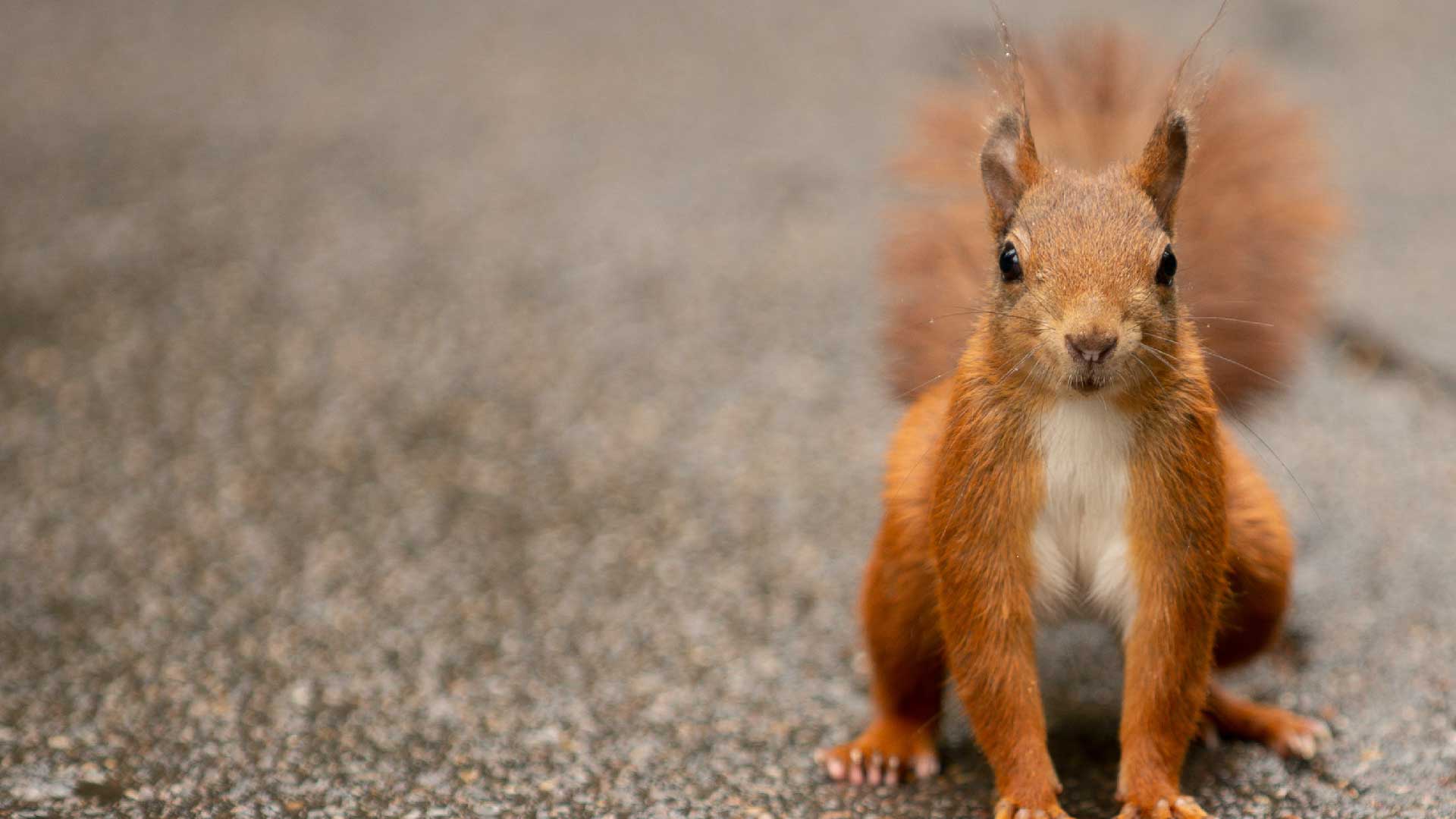
Photo by Peter Neumann on Unsplash

Share on Twitter

Rich parents give their offspring a leg up in life through inheritances and “gifts”. In a world that has normalized such wealth transfer, privilege perpetuates through bloodlines. A new paper argues that intergenerational wealth transfer, however, is not a uniquely human phenomenon.

“In North American red squirrels, a mother may store spruce cones on her territory and privilege her daughter by bequeathing a rich territory to her; daughters who receive these resources survive longer and reproduce earlier than those without.”

In the animal world, according to a new paper, differential access to inherited resources can lead to disparity in reproductive success – survival of the most privileged.

Intergenerational wealth transfer, the authors say, is seen in all sorts of animals including insects, fishes, birds, and mammals. While some animals inherit purely material wealth like tools, privileged access to mating grounds or territory, others also inherit social status from their parents.


You might also like

Being in a Crowd During Exciting Events Bond People Through “Identity Fusion”

Being in a Crowd During Exciting Events Bond People Through “Identity Fusion”

May 15, 2025
Caffeine as a Supplement Boosts Athletic Performance

Caffeine as a Supplement Boosts Athletic Performance

May 15, 2025

In animals like the spotted hyena, social rank is passed down through the generations matrilineally. With status comes privileged access to food and territory. This means that some families outcompete others, sometimes leading to the extinction of the underprivileged.

Perhaps the most fascinating kind of inheritance is seen in animals that are more closely related to humans. For instance, some apes and monkeys inherit tools form their parents.

“Taï Chimpanzees and bearded capuchin monkeys inherit tools produced at nut-cracking sites via the paternal and maternal lines, respectively.”

Researchers think that knowing more about how intergenerational wealth transfer works in other animals can help us understand “the evolutionary roots of wealth inequality across the tree of life”.

 Read the paper by Jennifer Smith, Natterson-Horowitz, and Michael Alfaro here.

Next Post
Resistance training improves muscle strength in people with sarcopenia

Resistance training improves muscle strength in people with sarcopenia

Recommended

Restricting meals to daytime may reduce diabetes risk in night shift workers

Restricting meals to daytime may reduce diabetes risk in night shift workers

May 15, 2025
Chimps, like humans, show signs of uncertainty when faced with a hard choice

Chimps, like humans, show signs of uncertainty when faced with a hard choice

April 29, 2025
Wearing a proper mask can keep the risk of infection below 1%, even after an hour of exposure

Wearing a proper mask can keep the risk of infection below 1%, even after an hour of exposure

May 15, 2025
Latest estimate of psychopathy in the general population

Latest estimate of psychopathy in the general population

May 15, 2025

Popular Story

  • Restricting meals to daytime may reduce diabetes risk in night shift workers

    Restricting meals to daytime may reduce diabetes risk in night shift workers

    2989 shares
    Share 1195 Tweet 747
  • Chimps, like humans, show signs of uncertainty when faced with a hard choice

    2190 shares
    Share 875 Tweet 547
  • Wearing a proper mask can keep the risk of infection below 1%, even after an hour of exposure

    1448 shares
    Share 579 Tweet 362
  • Latest estimate of psychopathy in the general population

    1435 shares
    Share 574 Tweet 359
  • More than a third of children in the US don’t know how meat gets to the table

    1091 shares
    Share 436 Tweet 273
  • About

© 2026 Sunny Side Science - All rights reserved

No Result
View All Result
  • Home
  • Request a Design
  • Blog
  • About

© 2026 Sunny Side Science - All rights reserved