Sunny Side Science
  • Home
  • Request a Design
  • Blog
  • About
No Result
View All Result
Sunny Side Science
  • Home
  • Request a Design
  • Blog
  • About
No Result
View All Result
Sunny Side Science
No Result
View All Result

Hoax article published in predatory journal – “What’s the deal with birds?”

November 26, 2021
0
Share on Twitter

The culture of publishing articles without proper peer-review, and merely for the submission fee money has a long and glorious history, but so do sting operations by scientists submitting fake papers to expose predatory journals. The first-ever hoax article was published in Social Text, an academic journal of postmodern cultural studies in 1996. The article by Alan Sokal titled “Transgressing the Boundaries: Towards a Transformative Hermeneutics of Quantum Gravity” proposed that quantum gravity was a social construct. After revealing that the paper was a hoax, post-publication, he opined the editors of the journal published his article mainly because they liked its conclusion.

“The results of my little experiment demonstrate, at the very least, that some fashionable sectors of the American academic Left have been getting intellectually lazy…….. They apparently felt no need to analyze the quality of the evidence, the cogency of the arguments, or even the relevance of the arguments to the purported conclusion.”

– Alan Sokal, Revalation: A Physicist Experiments With Cultural Studies (quoted in wikipedia.org/wiki/Sokal_affair)

The ‘Sokal affair’ brought editorial bias and the need for quality control in peer-review to the limelight. Between 2017 and 2019, 20 hoax papers were submitted by James A. Lindsay, Peter Boghossian, and Helen Pluckrose to some “grievance studies” journals. By the time the articles were discovered to be bogus, 4 of them had been published and 3 were accepted for publication. The first article that was published, titled “The conceptual penis as a social construct“, argued, among other things, that the penis was a social construct and an indirect cause of climate change.

A joke article by ornithologist Dan Baldassarre recently found its way into a predatory journal owned by Iris Publishers. The author chronicled the events which led to the publication of “What’s the deal with birds?” on Twitter. The paper initially poses the question “Birds are very strange. What’s the deal with that?” and concludes “the results were ambiguous”, although “Bayesian approaches may prove useful in the future”.


You might also like

Being in a Crowd During Exciting Events Bond People Through “Identity Fusion”

Being in a Crowd During Exciting Events Bond People Through “Identity Fusion”

May 15, 2025
Caffeine as a Supplement Boosts Athletic Performance

Caffeine as a Supplement Boosts Athletic Performance

May 15, 2025

Read the paper here.

Next Post

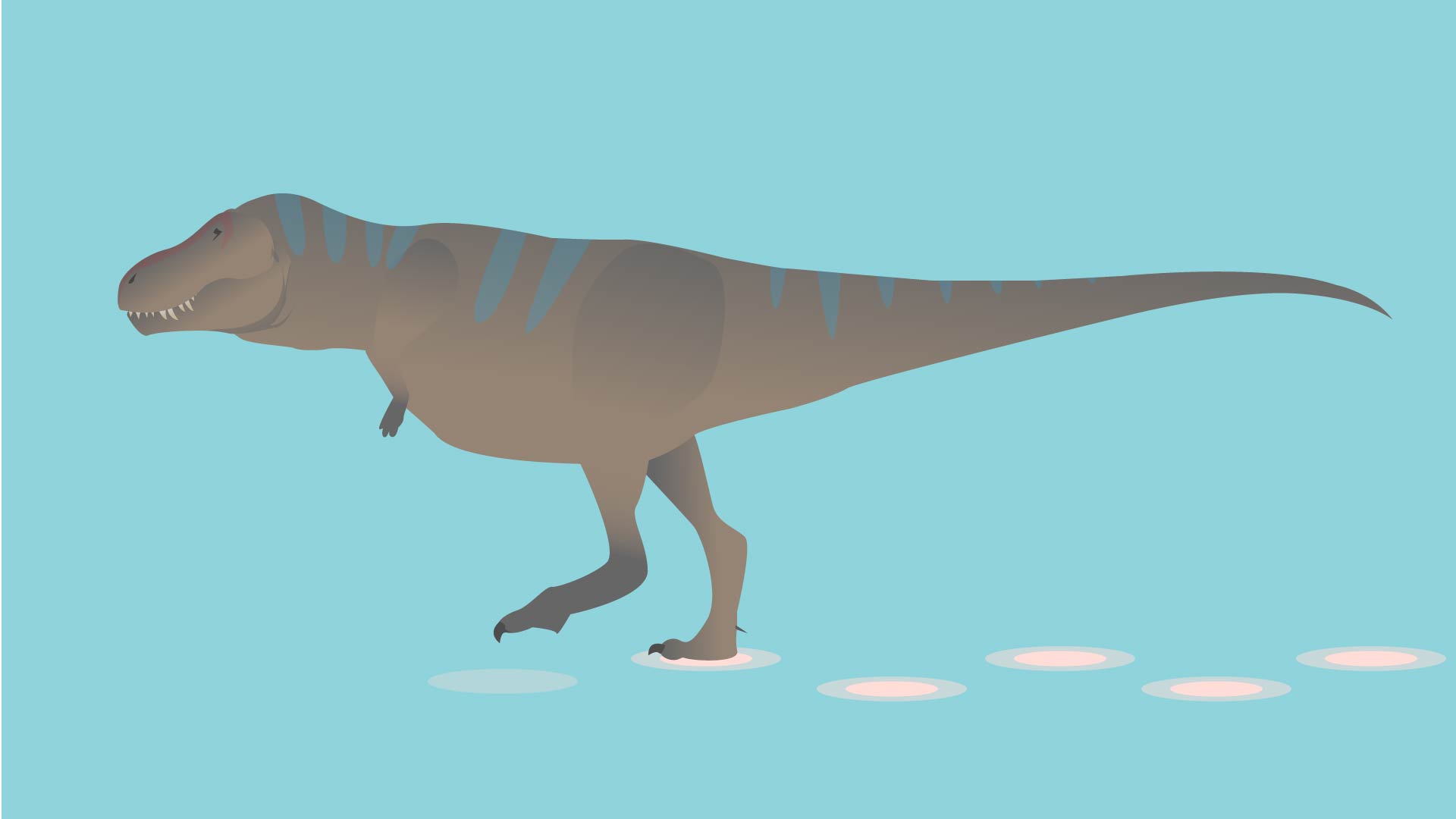
Researchers estimate the Preferred Walking Speed of T-rex

Recommended

Restricting meals to daytime may reduce diabetes risk in night shift workers

Restricting meals to daytime may reduce diabetes risk in night shift workers

May 15, 2025
Chimps, like humans, show signs of uncertainty when faced with a hard choice

Chimps, like humans, show signs of uncertainty when faced with a hard choice

April 29, 2025
Wearing a proper mask can keep the risk of infection below 1%, even after an hour of exposure

Wearing a proper mask can keep the risk of infection below 1%, even after an hour of exposure

May 15, 2025
Latest estimate of psychopathy in the general population

Latest estimate of psychopathy in the general population

May 15, 2025

Popular Story

  • Restricting meals to daytime may reduce diabetes risk in night shift workers

    Restricting meals to daytime may reduce diabetes risk in night shift workers

    2989 shares
    Share 1195 Tweet 747
  • Chimps, like humans, show signs of uncertainty when faced with a hard choice

    2190 shares
    Share 875 Tweet 547
  • Wearing a proper mask can keep the risk of infection below 1%, even after an hour of exposure

    1448 shares
    Share 579 Tweet 362
  • Latest estimate of psychopathy in the general population

    1435 shares
    Share 574 Tweet 359
  • More than a third of children in the US don’t know how meat gets to the table

    1091 shares
    Share 436 Tweet 273
  • About

© 2026 Sunny Side Science - All rights reserved

No Result
View All Result
  • Home
  • Request a Design
  • Blog
  • About

© 2026 Sunny Side Science - All rights reserved